
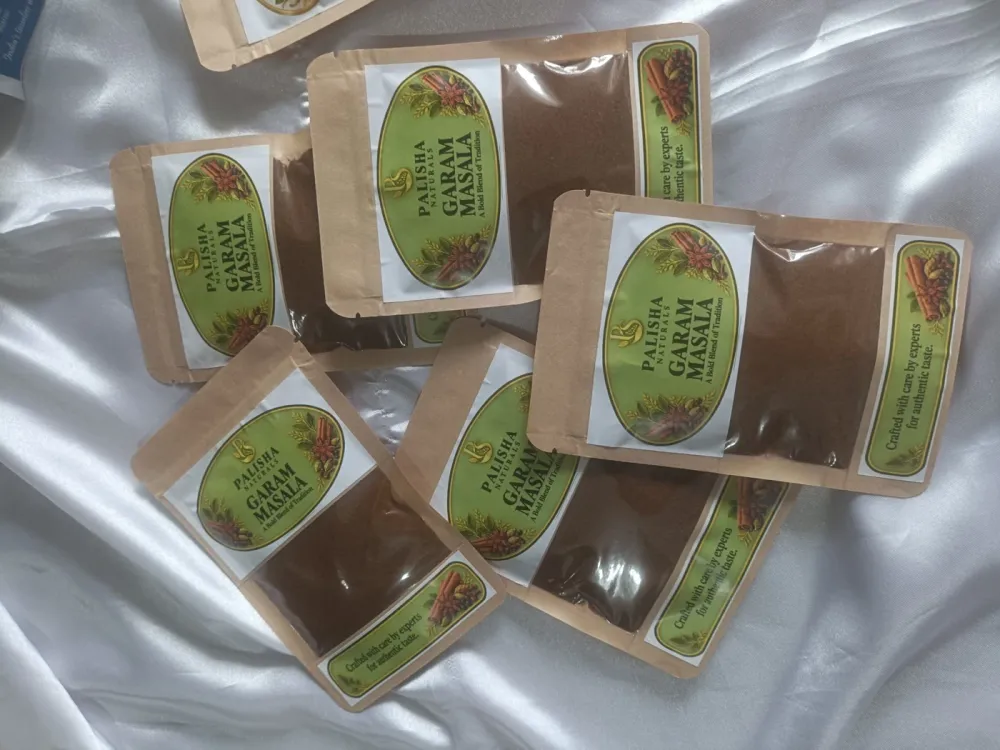
Garam masala is a blend of ground warm spices, typically coriander, cumin, black pepper, cinnamon, cloves, cardamom, bay leaf and nutmeg. It is usually added towards the end of cooking, in the last few minutes, so that its fragrance stays bright instead of cooking away. A quarter to half a teaspoon is enough for a family-sized pot of dal or sabzi.
That is the core of it. The rest of this guide is about why it works that way and how to use it well.
What does garam masala mean?
"Garam" means warm or hot, and "masala" means a spice mix. The warmth refers to the aromatic, slightly sweet heat of spices such as cinnamon, cloves and black pepper, rather than chilli heat. Most garam masala contains no chilli at all.
There is no single recipe. Every region, and practically every family, has its own version. Punjabi blends often lean on black cardamom and cumin. Mughlai and Awadhi kitchens use more green cardamom, mace and rose petals. Bengali garam masala is often just green cardamom, cinnamon and cloves. In Karnataka and the south, a similar blend might include star anise, marathi moggu or kalpasi.
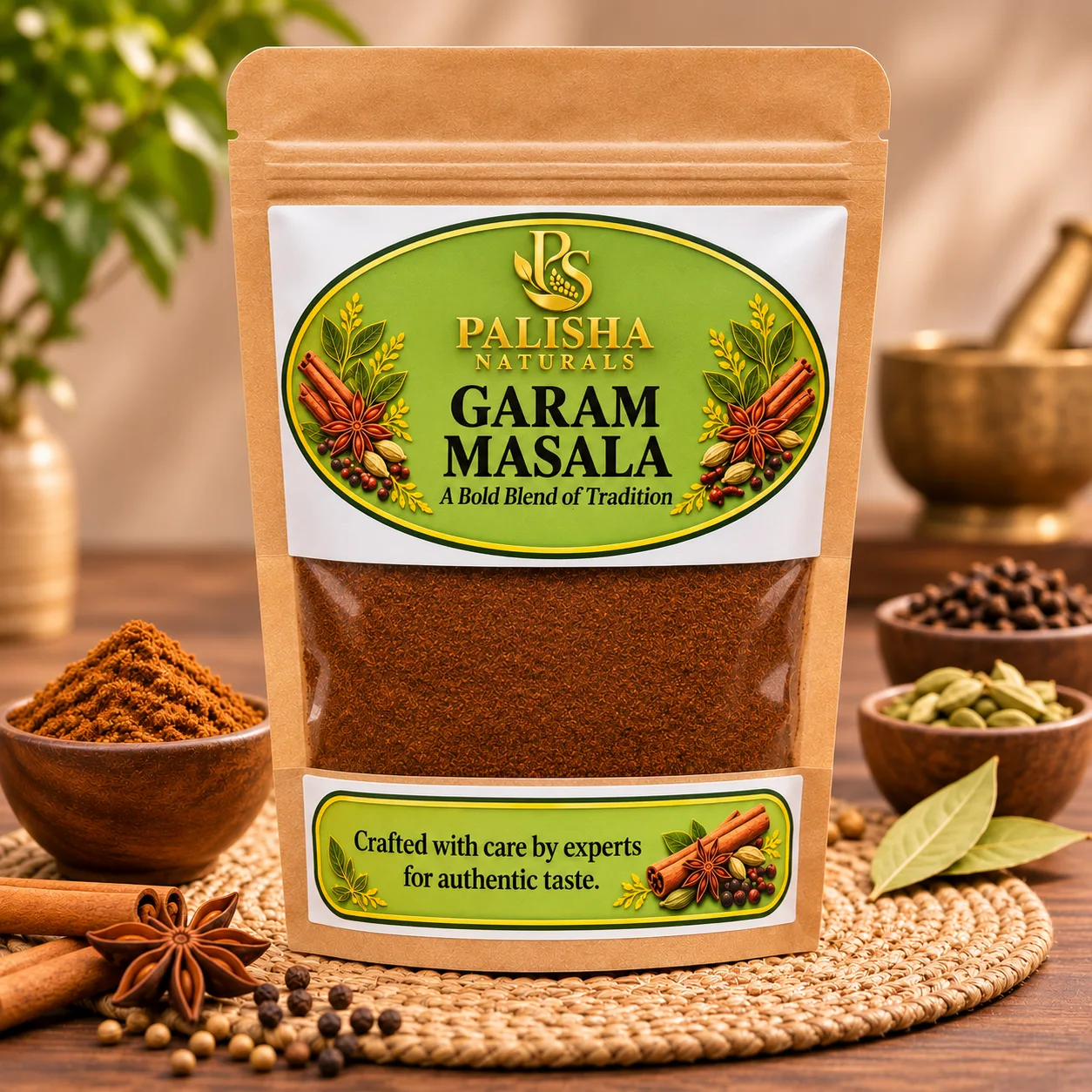
What is in Palisha Garam Masala?
Our Garam Masala uses eight spices:
- Coriander: the citrusy, mellow base that gives the blend body
- Cumin (jeera): earthy and nutty
- Black pepper: sharp, clean heat
- Cinnamon: sweet warmth
- Cloves: intense, pungent aroma; a small amount goes far
- Cardamom: floral and cooling
- Bay leaf: a quiet herbal background
- Nutmeg: rounded, slightly sweet depth
It comes in a 50 g pack at an MRP of Rs 45, with a best-before of 10 months.
When should you add garam masala?
Towards the end of cooking. That is the instruction on our pack and the rule most Indian cooks follow.
The reason is simple. The fragrance of garam masala comes from volatile aromatic oils in spices like cardamom, cloves and cinnamon. Long cooking drives those oils off. Added at the start, garam masala turns muted and can even taste a little bitter. Added in the last two to five minutes, it stays fresh and perfumed, and that aroma is what greets you when you lift the lid.
A practical timeline
- Start: whole spices, onion, ginger, garlic, tomato.
- Middle: ground spices such as turmeric, red chilli, coriander powder; then vegetables, dal or meat; simmer.
- End: a pinch of garam masala, stir, cover for a minute, then switch off and add fresh coriander.
Are there exceptions?
Yes. Some marinades for tikka and kebabs include garam masala from the start, because the spices coat the surface and cook quickly at high heat. Some slow-cooked meat dishes add a little early and finish with a second pinch. For everyday home cooking, though, adding it late is the reliable default.
How much garam masala should you use?
Less than you think. Garam masala is a finishing touch, not the main seasoning.
- Dal for four: a quarter teaspoon
- Dry vegetable sabzi: a quarter to half a teaspoon
- Paneer or chana curry: half a teaspoon
- Chicken or mutton curry for four: half to one teaspoon
- Biryani or pulao: half a teaspoon sprinkled between layers
If you can clearly taste clove or cinnamon above everything else, you have used too much.
What dishes need garam masala?
It works across a wide range of everyday cooking:
- Dals: dal makhani, rajma, chole, sprouted moong
- Vegetables: aloo gobi, bhindi, matar paneer, mixed veg
- Curries: chicken, mutton, egg and kofta curries
- Rice: pulao, biryani, masala khichdi
- Snacks: samosa filling, aloo tikki, pav bhaji (along with its own masala)
It also works in unexpected places. A tiny pinch lifts a sattu paratha filling, a besan or sattu chilla, or a bowl of roasted makhana.
Where should you not use garam masala?
Delicate dishes often do better without it. A light South Indian rasam, a coconut-based stew, a simple moong dal khichdi meant to be mild, or a Bengali fish curry built around mustard: in these, garam masala tends to overpower the main flavour. Trust the recipe.
Is garam masala the same as curry powder?
No. Curry powder is a largely British-era invention that combines turmeric, chilli, coriander and other spices into an all-in-one seasoning. Garam masala usually has no turmeric or chilli and is meant to finish a dish rather than build its base. You will normally use both turmeric and chilli separately, and garam masala at the end.
Should you make garam masala at home?
Homemade garam masala is wonderful if you have the time. Dry-roast whole spices lightly, cool them, grind them fine and store in a small airtight jar. The challenge is that whole spices are sold in large quantities, the roast needs care, and a blend made at home starts losing fragrance within weeks.
A good ready blend made from whole spices is a practical middle path for busy kitchens. Whichever route you take, buy in small quantities and use it up.
How should you store garam masala?
- Keep it in an airtight jar, away from heat and light. Never store it right above the stove.
- Use a dry spoon.
- Smell it before you cook. If the aroma is faint, it is time for a fresh pack.
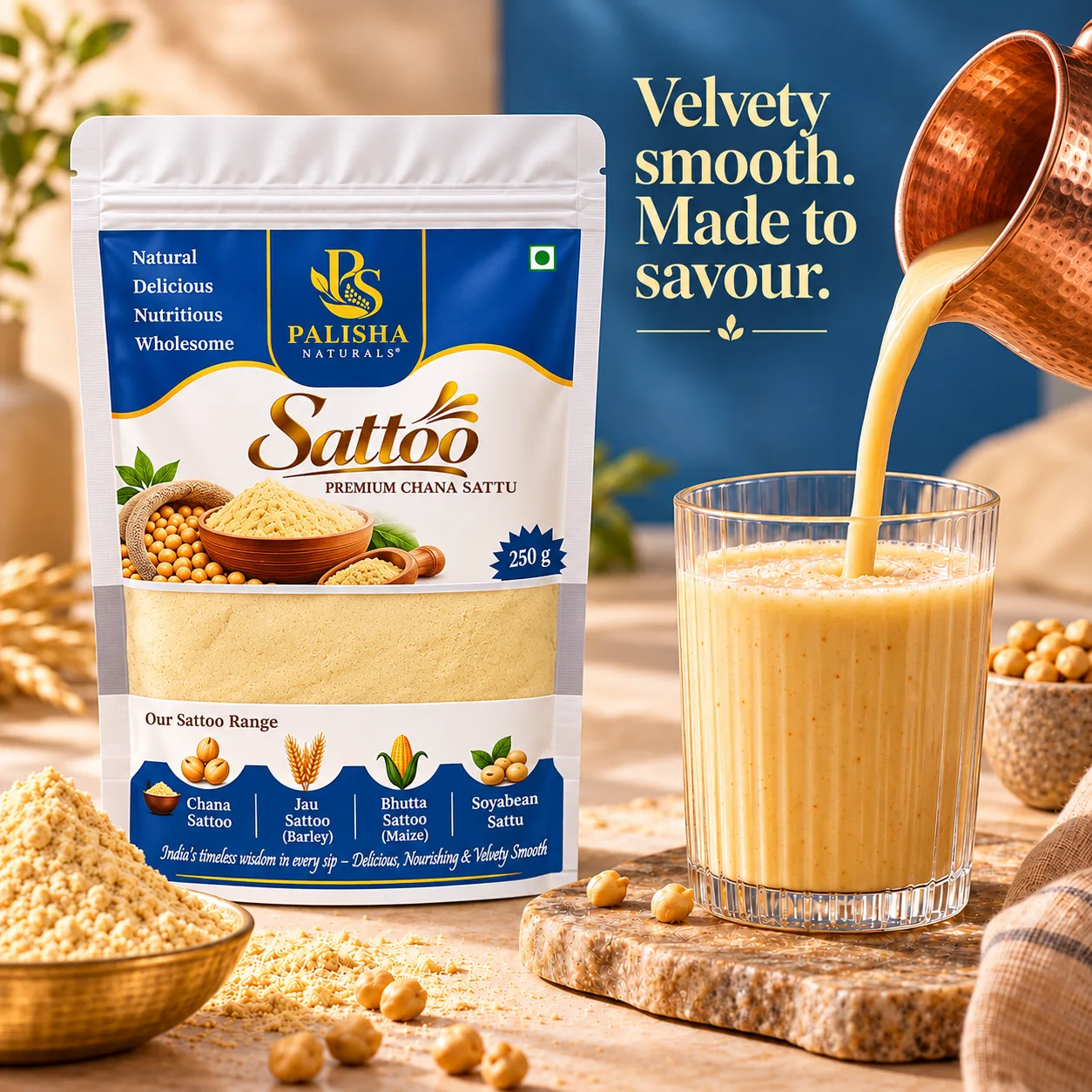
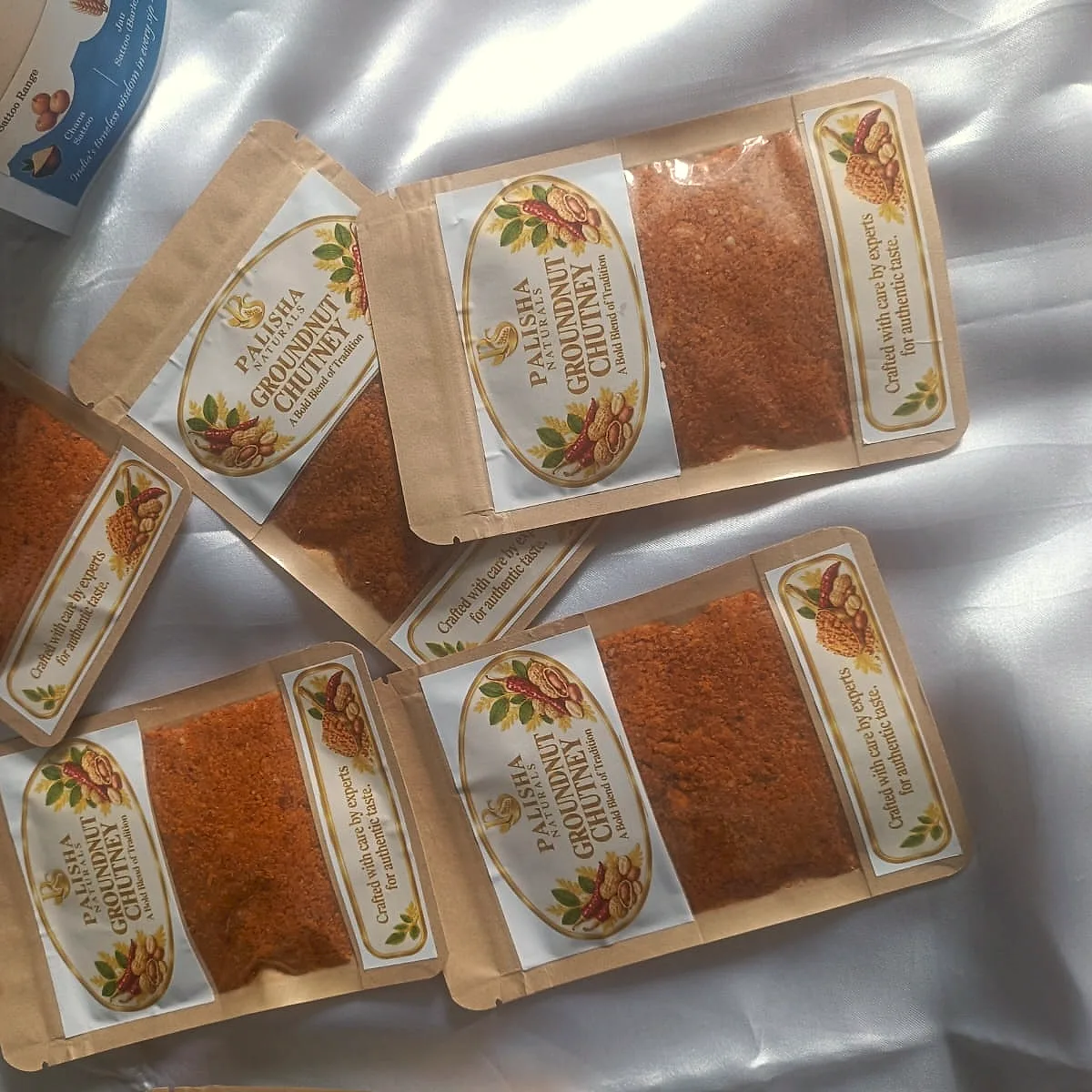
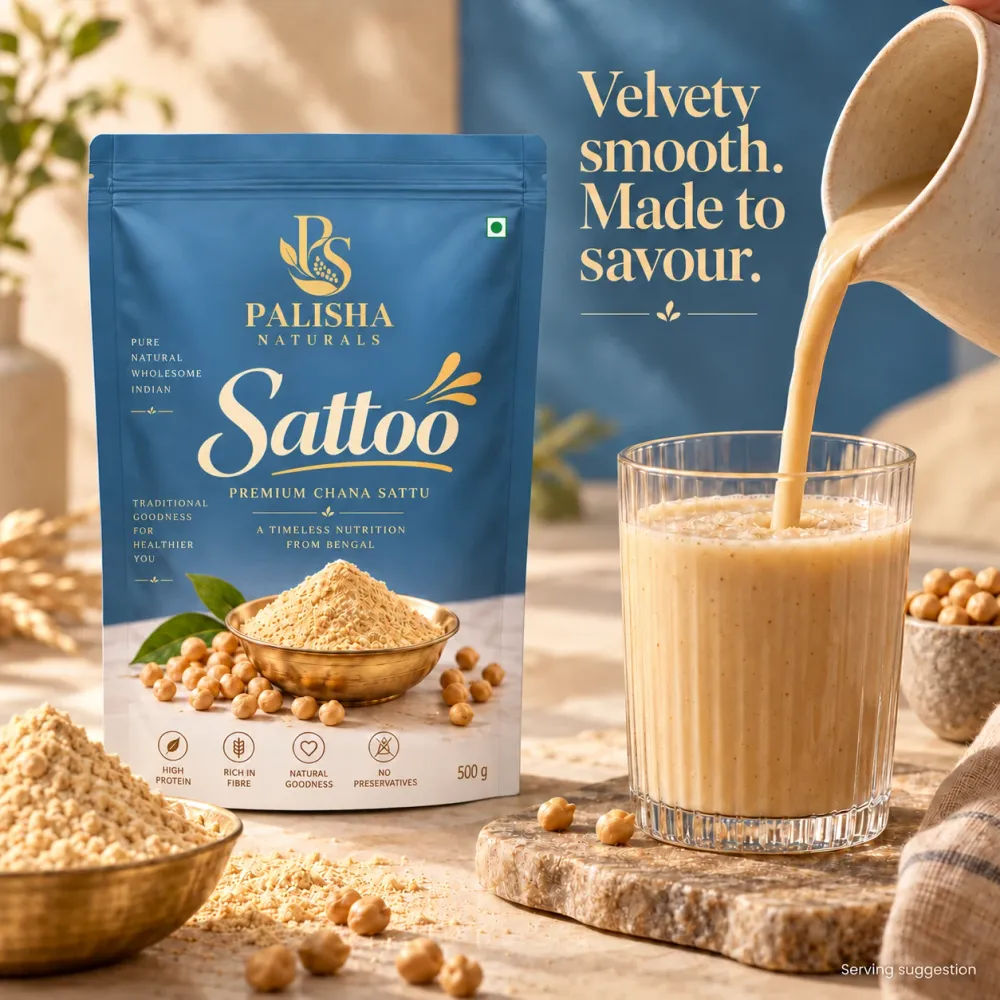
Our Garam Masala is packed in Bengaluru in a 50 g size so it gets used while fragrant. Pair it with our Groundnut Chutney and Chana Sattoo from the shop, or find more ideas on our recipes page.
Frequently asked questions
What are the ingredients of garam masala?
Palisha Garam Masala contains coriander, cumin, black pepper, cinnamon, cloves, cardamom, bay leaf and nutmeg. Regional blends vary, but these warm spices are the common core.
When should garam masala be added?
Add it towards the end of cooking, usually in the last two to five minutes, so its aroma stays fresh instead of cooking away.
How much garam masala should I use?
A quarter to half a teaspoon is enough for most dals and vegetables for four people; meat curries can take up to a teaspoon.
Is garam masala spicy?
Garam masala is warm and aromatic rather than chilli-hot. Most blends, including ours, contain no red chilli.